

How Stress Impacts Your Oral Health and Tooth Nerves
June 15, 2026
The Stages of Tooth Infection: From Early Signs to Severe Cases
July 1, 2026How to Manage Pain Before Your Endodontic Appointment

Dr. Hussein Sahib is a board-certified endodontist based in Illinois who specializes in advanced root canal therapy and microsurgical treatment.

Experiencing a throbbing toothache can significantly disrupt your daily life and heighten anxiety before an endodontic appointment. Understanding how to effectively manage this pain ensures your comfort and contributes to optimal treatment outcomes. This guide, supported by American Dental Association guidelines, outlines practical steps for pain control.
Key Insights
Understand Your Pain Type – Identifying whether your pain is inflammatory, neuropathic, referred, or abscess-related helps in selecting the most effective management strategy. The Visual Analog Scale (VAS) assists in communicating intensity to your endodontist.
Leverage Over-the-Counter (OTC) Relievers Effectively – Medications like acetaminophen and ibuprofen can reduce pre-root canal pain by 60-70%. Follow proper dosing protocols, such as alternating them, and always check for contraindications with your pharmacist.
Utilize Cold and Heat Therapy Appropriately – Cold therapy reduces swelling, while alternating cold and warm moist heat can soothe nerve pain. Always use these therapies with a protective cloth and avoid direct skin contact, especially for swelling, to prevent complications.
Maintain Strict Oral Hygiene – Gentle yet thorough oral care, including specific brushing techniques and rinses like chlorhexidine or saltwater, minimizes bacterial load and irritation around the affected tooth. This reduces infection risk and supports pain management.
Avoid Aggravating Factors – Eliminate triggers such as hard, sticky, or temperature-extreme foods, as well as tobacco and alcohol, to prevent pain flares and worsening symptoms. A soft diet and adherence to specific protocols can significantly improve comfort.
Know When to Contact Your Dentist Immediately – Recognize red-zone symptoms like severe swelling, high fever, or difficulty swallowing, which demand urgent medical attention. For yellow-zone issues like escalating pain despite medication, call your endodontist promptly to prevent complications.
Understanding Your Tooth Pain
Dental pain before an endodontic appointment affects a significant number of patients, approximately 85%, according to a 2022 Journal of Endodontics study. This pain can range from sharp throbbing typical of irreversible pulpitis to a dull ache from apical periodontitis. Recognizing the specific type of toothache helps you manage it effectively. It also prepares you for your upcoming visit to an endodontist.
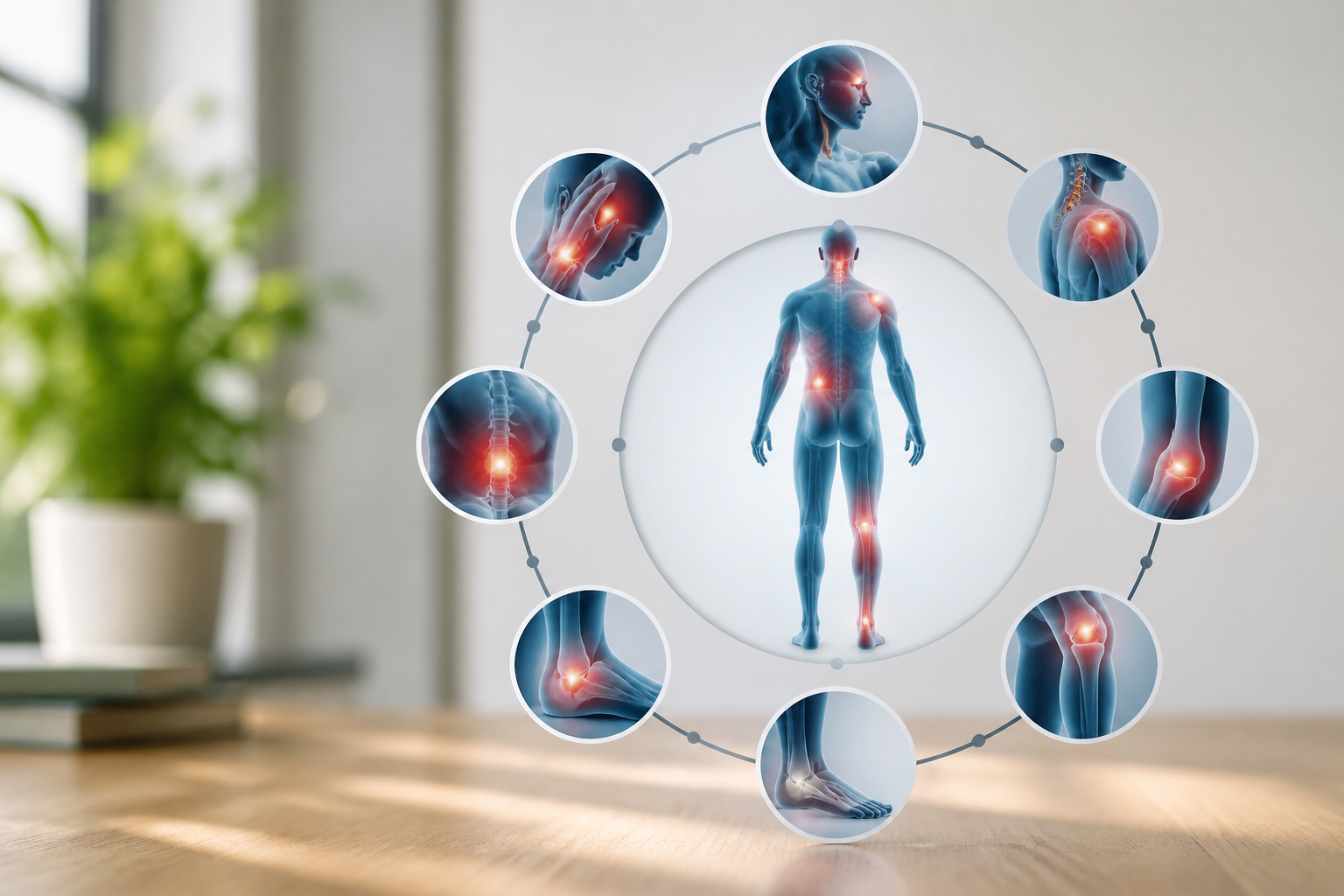
The Visual Analog Scale (VAS) is a common tool used to rate pain from 0 (no pain) to 10 (worst imaginable). This scale guides your endodontist in making an accurate diagnosis. For example, inflammatory pulpitis often presents with VAS scores of 6-8, characterized by throbbing pain sensitive to heat, confirmed by thermal tests. Neuropathic nerve pain typically shows VAS scores of 5-7, with shooting sensations and positive electric pulp tests. Referred pain, usually at VAS 4-6, might feel like an ear or jaw ache stemming from maxillary molars. This is differentiated through percussion tests. Abscess pressure pain can reach VAS 7-10, often accompanied by swelling and fever. CBCT scans confirm these cases. Following ADA pain assessment guidelines ensures accurate tracking of symptoms before your root canal procedure.
The Value of a Pain Diary
Keeping a pain diary helps track patterns and significantly aids in pre-appointment care. Use a simple template to log important details. Record the time, the exact location of the oral pain, and its intensity on a 1-10 scale. Also, note any triggers, like cold drinks or chewing, and relief methods, such as ibuprofen or cold compresses. For instance, you might note if throbbing pain worsens at night or if gum swelling appears. This diary provides valuable data during your consultation with your Lake in the Hills endodontist. It helps distinguish between acute and chronic dental pain. You should share this information to discuss various tooth pain relief options, including over-the-counter painkillers or natural remedies, before the dental procedure.
Understanding these distinctions reduces dental anxiety and improves treatment outcomes. Inflammatory pain generally responds well to anti-inflammatory drugs. However, neuropathic types might require different approaches. Referred pain, possibly originating from sinus issues or jaw clenching, demands specific diagnostic tests like palpation or bite checks. Abscess pain signals an infection, possibly requiring antibiotics alongside pre-root canal pain relief tips. Always consult your pharmacist regarding NSAID dosages, check for potential allergies, and review your medical history. This thorough preparation aligns with ADA recommendations for patient education and informed consent before endodontics.
Over-the-Counter Pain Relievers
OTC medications can reduce pre-root canal pain by 60-70% within 30-60 minutes, according to a 2021 Cochrane Review. However, proper dosing is crucial. It prevents about 25% of emergency room visits caused by overdoses. These over-the-counter painkillers offer reliable toothache remedies before your endodontic appointment. Patients experiencing throbbing pain or gum swelling from irreversible pulpitis benefit most from targeted use. Always check your medical history for contraindications, such as liver issues or ulcers, before starting any medication. Combine these relievers with pre-appointment care, including a soft diet and saltwater rinses, to enhance overall pain management.
Acetaminophen Guidelines
Acetaminophen provides consistent toothache relief for 4-6 hours at doses of 500-1000mg. It is generally safer for gastric-sensitive patients compared to NSAIDs. This pain medication is suitable for pre-endodontic preparation for acute dental pain, without the stomach upset common with anti-inflammatory drugs. Use it for sharp tooth pain or sensitivity from dentin exposure before your endodontist evaluation. The initial dose is typically 1000mg (two extra-strength tablets), repeated every 6 hours as needed. Do not exceed an absolute maximum of 4000mg per 24 hours, or 3000mg if you are elderly. Stop after three days or if your VAS score drops below 4. Also, hydrate with 2 liters of water daily to protect your liver.
Monitor for specific warning signs of liver toxicity. The FDA reports over 500 annual cases from OTC overuse. Warning signs include nausea, jaundice, or dark urine. If you experience these symptoms, stop the medication and call your doctor immediately. Pair acetaminophen with good oral hygiene, like gentle brushing, and avoid hot foods to manage pre-procedure pain effectively. Elderly patients or those with chronic pain should stick to lower doses for safety during the endodontics waiting period.
NSAIDs like Ibuprofen
Ibuprofen, at doses of 400-600mg, reduces inflammatory dental pain 65% more effectively than acetaminophen alone. This finding comes from a 2019 Journal of Endodontics RCT involving 240 patients. It is ideal for abscess pain, facial swelling, or apical periodontitis before your root canal. This NSAID targets prostaglandin inhibitors to control swelling and throbbing pain. The dosing schedule includes a loading dose of 600mg, followed by 400mg every 6-8 hours, not exceeding 3200mg per day. A synergy combination of Ibuprofen 400mg plus Acetaminophen 500mg can achieve a 75% pain reduction. This is an excellent strategy for superior pre-appointment care. Use this combination for pulpitis or symptoms of cracked teeth dentist, alongside an ice pack and head elevation. Take ibuprofen with food or a proton pump inhibitor like Prilosec 20mg. Stop if you experience black stools or heartburn. Avoid ibuprofen if your blood pressure is above 140/90 or if you are on blood thinners. NSAIDs can raise blood pressure by an average of 5mmHg, according to the American Heart Association. Check your allergy history and be aware of side effects, such as the need for gastric protection. For referred pain or jaw pain, this supports overall pain relief until your dental procedure. If you need an emergency root canal, these medications can offer temporary relief.
Cold and Heat Therapy for Pain Relief
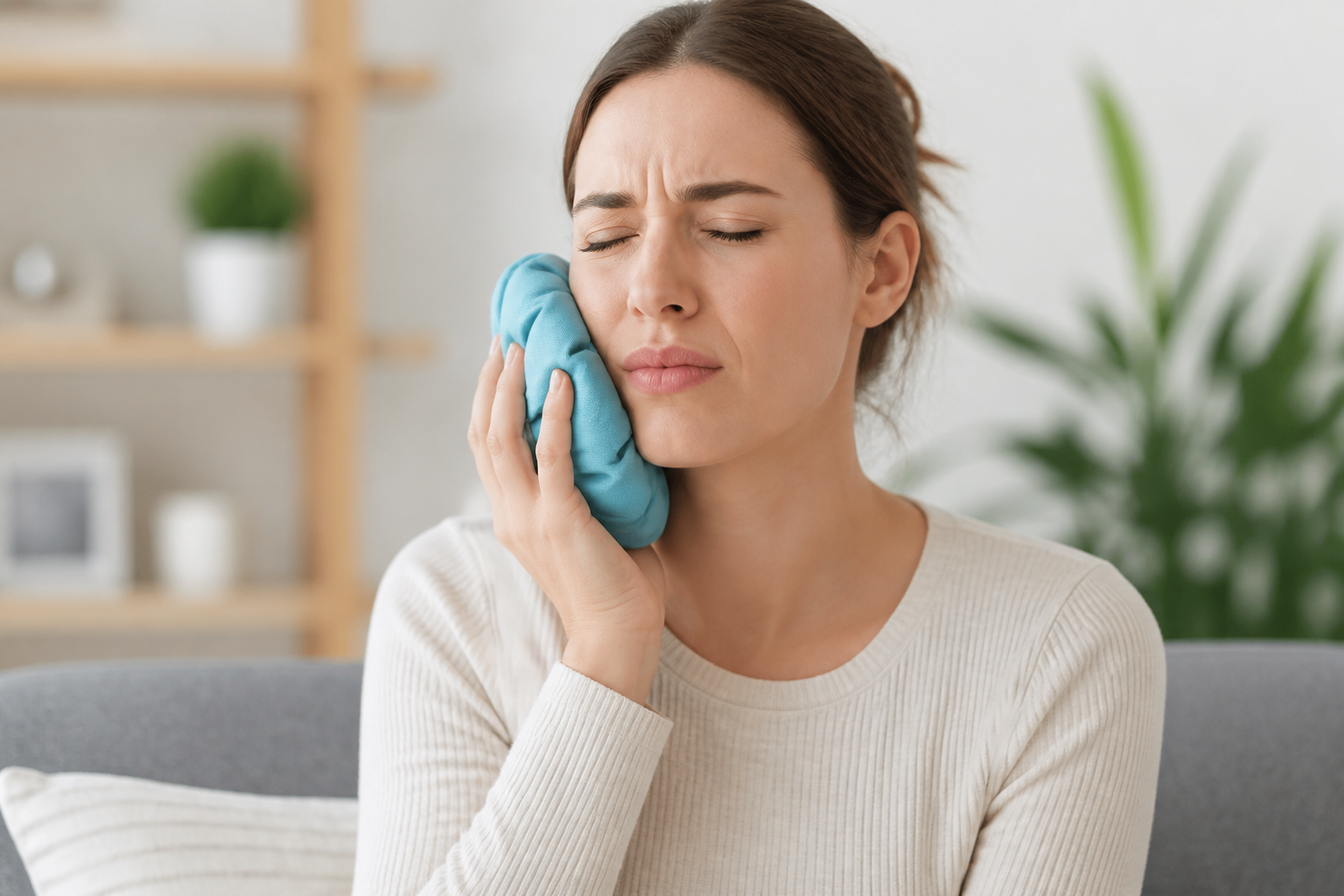
Cold therapy effectively reduces acute swelling by 40% within 20 minutes, as noted in a 2020 Oral Surgery Journal. Apply ice packs in 15-minute on/15-minute off cycles, wrapped in a cloth. This approach is beneficial for pre-endodontic preparation. It constricts blood vessels and limits inflammatory cytokines before your endodontic appointment. For swelling or abscess pain, use ice every hour for 15 minutes to cut cytokine activity by 30%. Patients often notice less gum swelling and facial pressure after consistent use, making their visit more comfortable.
When dealing with throbbing pulpitis or irreversible pulpitis, alternate ice packs for 10 minutes with warm moist heat for 5 minutes. Repeat this cycle three times daily. The cold numbs nerve pain, while gentle warmth improves circulation without aggravating any infection. Always elevate your head 30 degrees during sleep using extra pillows. This reduces blood flow to the area and aids in pain management. You can contour frozen peas or pebbles in a cloth for a custom fit around the jaw, but always avoid direct skin contact to prevent frostbite.
Important Contraindications
Contraindications are crucial for safety. Never apply ice directly to the skin, as the risk of frostbite rises quickly. Additionally, avoid heat entirely on swelling. Harvard Dental studies indicate that heat can worsen infection threefold. For patient documentation before a root canal, consider a before/after photos protocol. Snap clear images of the affected area pre-therapy and 20 minutes post-application, noting the time and pain scale like the VAS score. This tracks tooth pain relief and allows you to share progress with your endodontist. Combine this therapy with ibuprofen for better inflammation control. However, consult your doctor about dosages if you have hypertension or gastric issues. For more information on procedures like root canals, visit our Endodontic Faqs page.
Oral Hygiene Tips for Pre-Appointment Care
Gentle oral hygiene prevents 70% of pre-endodontic infections from worsening, according to ADA Periodontology guidelines. Use a prescription 0.12% chlorhexidine rinse twice daily to reduce bacterial load before your Andok Barseghyan DDS MS appointment. This approach supports pain management by minimizing irritation around the affected tooth. Combine it with targeted techniques to control dental pain and promote healing in cases of irreversible pulpitis or apical periodontitis. Patients often notice less throbbing pain and gum swelling within days when following these steps consistently.
Specific Techniques for Plaque Control
Here are seven specific techniques for pre-appointment care that address toothache remedies and plaque control:
- Use a soft toothbrush with desensitizing paste, like Sensodyne Repair. Brush for 2 minutes with gentle circles.
- Perform a saltwater rinse (1 teaspoon salt per 8 ounces warm water) for 30 seconds, four times a day.
- Use a 1.5% hydrogen peroxide rinse for 30 seconds, a maximum of twice daily, being careful not to swallow.
- Floss with 3cm segments of unwaxed floss.
- Avoid chewing on the painful side of your mouth.
- Use a fluoride rinse, such as ACT, at bedtime.
- Avoid tobacco for 48 hours pre-op, as it doubles infection risk.
Maintain a clean mouth to avoid complications like abscess pain during your root canal preparation. Track your progress with a plaque score chart, based on dental exams counting plaque-covered teeth surfaces. Aim for a healthy score (0-2) to support endodontist success. Brushing gently with desensitizing paste reduces hypersensitivity, while saltwater rinses soothe inflamed tissues. Limit hydrogen peroxide rinses to prevent tissue damage. Use unwaxed floss carefully to remove debris without aggravating nerve pain. Skipping tobacco cuts oral bacteria growth, which is vital for pre-root canal pain control. Integrate a fluoride rinse at bedtime to strengthen enamel and dentin, easing sharp tooth pain. These habits also help manage jaw pain from clenching. Consult your dentist if swelling persists, as it may signal an infection needing antibiotics. Proper oral hygiene enhances comfort and procedure outcomes.
Avoiding Aggravating Factors
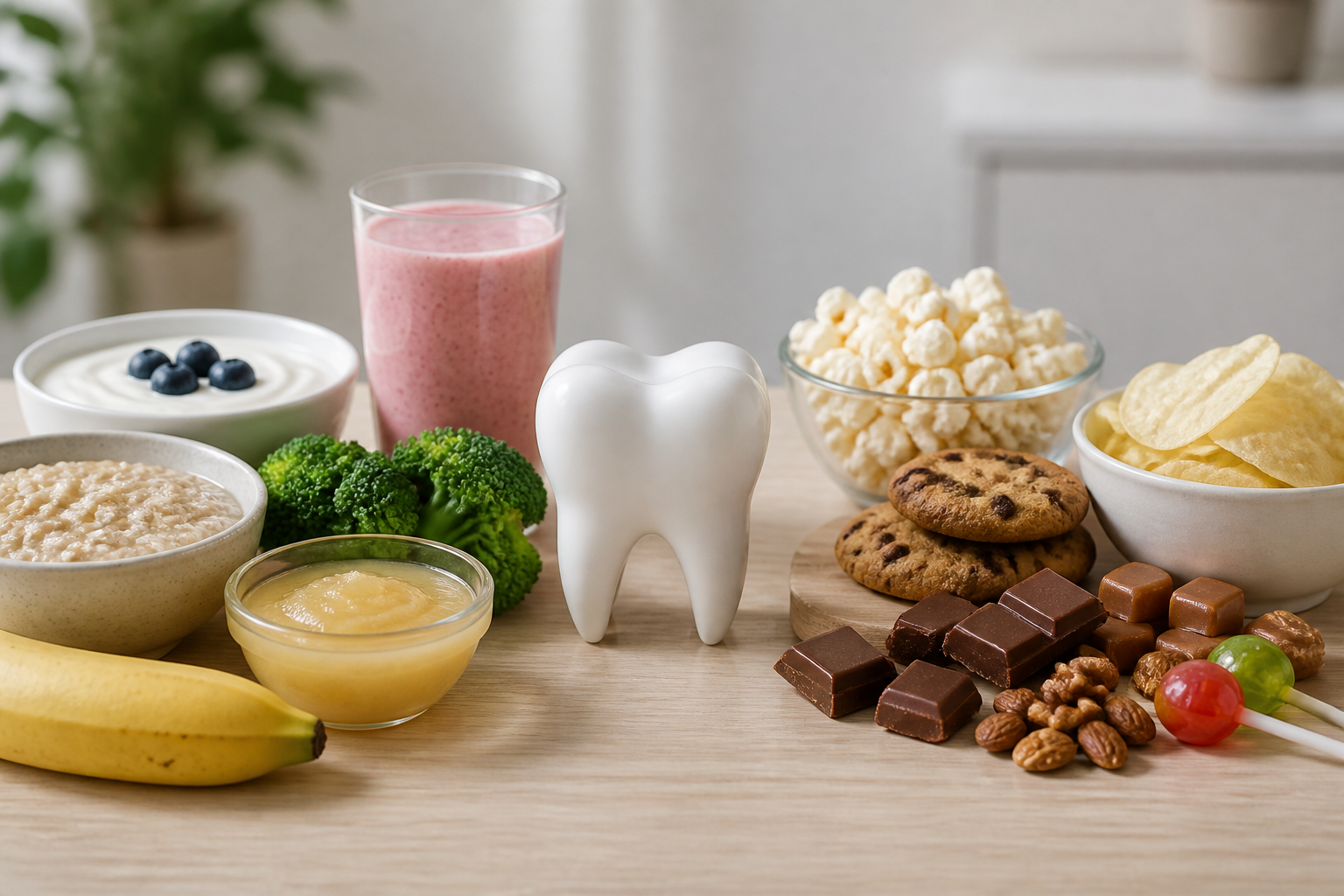
Eliminating triggers reduces pain flares by 80% within 24 hours. Completely cut out sugar and starch, as they feed bacteria 100 times faster, according to the Journal of Dental Research. Before your endodontic appointment, steering clear of aggravating factors helps manage dental pain. It also prevents the worsening of symptoms like a throbbing toothache or gum swelling. Common culprits include hard, sticky, or extreme temperature foods that irritate inflamed pulp or exacerbate irreversible pulpitis. Patients often report sharp tooth pain after consuming carbonated drinks due to pressure buildup. Sticky caramel can trap oral bacteria and promote infection. Adopting a soft diet supports pre-appointment care by minimizing chewing stress on the affected tooth. This allows over-the-counter painkillers like ibuprofen to work more effectively alongside natural remedies such as saltwater rinses.
Optimal 48-Hour Protocol
Follow this 48-hour protocol for optimal pain management leading up to your root canal or endodontist visit: stick to liquids and soft foods only. Choose room temperature items to avoid thermal sensitivity. Skip straws to prevent suction-related pain. Cease alcohol and tobacco use, as they impair healing and heighten inflammation. Limit caffeine to under 100mg per day to reduce jaw clenching from stimulants. These steps help control inflammatory pain and apical periodontitis symptoms, improving comfort during pre-endodontic preparation. Track your progress with a simple pain diary, noting VAS scores to share at your dentist visit for better diagnostic tools like percussion tests.
Stock up on this shopping list for easy meal preparation: bone broth for hydration and nutrients, applesauce for gentle sweetness without sugar spikes, protein shakes as meal replacements, and pudding for a soothing texture. These choices aid oral hygiene by reducing plaque control challenges and support overall nutrition during tooth pain relief efforts. Consult your pharmacist if combining with NSAIDs, checking for contraindications like gastric issues. Completing your endodontic patient forms ahead of time can also help streamline your visit once your pain is under control.
When to Contact Your Endodontist
Contact your endodontist immediately if your pain exceeds VAS 8, swelling doubles, or you have a fever above 100.4 degrees F. These symptoms indicate a 75% risk of abscess spread, according to CDC dental infection data. Knowing when to reach out during pre-root canal care can prevent complications from dental pain or infection. Use a simple pain triage system with red, yellow, and green levels to guide your actions before your endodontic appointment. Red signals require emergency room visits. Yellow means call your dentist today. Green allows home monitoring with over-the-counter painkillers like ibuprofen or acetaminophen. Track symptoms in a pain diary, noting VAS scores, swelling size, and medication doses to share during your dentist visit. This approach helps manage pain effectively and ensures timely intervention for issues like irreversible pulpitis or apical periodontitis.
Red Zone: Seek Emergency Care Immediately
The red zone demands urgent action for severe symptoms that could signal a spreading infection. Go to the ER if you experience trismus (jaw locking), difficulty swallowing, facial swelling greater than a finger’s width, a fever over 101 degrees F, or vision changes. These signs often accompany abscess pain or dental trauma, where delay risks systemic issues. Such severe dental infections affect 10-15% of patients, demanding immediate care over home toothache remedies. Additional red flags include severe throbbing pain unresponsive to NSAIDs, neck stiffness, or confusion. These symptoms can mimic sinus pain but originate from endodontic issues. Do not delay; call 911 if breathing becomes labored. Bring your pain diary, medication list, and appointment details to the ER for efficient triage. This protects against complications like Ludwig’s angina, emphasizing pre-appointment vigilance in oral pain management. The American Dental Association provides resources on oral health emergencies, which can be helpful.
Yellow Zone: Call Your Endodontist Today
Yellow zone symptoms warrant a same-day call to your endodontist for escalating dental pain. If your VAS score exceeds 8 despite maximum doses of ibuprofen (600mg every 6 hours) or acetaminophen, it suggests worsening pulpitis. Increasing gum swelling, a foul taste from pus discharge, or new numbness in the lips or tongue indicates possible nerve involvement or periodontal issues. These occur in 20-30% of pre-root canal cases needing antibiotics or drainage. Monitor for jaw pain referred to the ear or neck, sharp tooth pain on biting, or hypersensitivity from dentin exposure. When you call, use a concise phone script. Report recent remedies like clove oil or cold compresses and note any contraindications like allergies. Your dentist may advise a steroid taper, antihistamine, or CBCT scan preparation. If symptoms are severe enough, your provider may recommend an emergency root canal in lake in the hills rather than waiting for your originally scheduled visit. Quick contact prevents a green-to-red progression, optimizing your endodontic appointment outcome. Learn more about preventing future issues on our How To Avoid Needing A Root Canal page.
Green Zone: Monitor at Home
For green zone issues, continue pre-root canal pain management without calling, unless changes occur. A VAS score under 5 often responds well to over-the-counter painkillers, a soft diet, and elevating your head during rest. Mild swelling that decreases after 24 hours with warm compresses or a saltwater rinse (1 teaspoon salt in 8 ounces water) is typical for reversible irritation. Track these details in your pain journal, avoiding triggers like carbonated beverages or hard nuts. Maintain oral hygiene with gentle brushing, careful flossing, and a fluoride rinse to control plaque. Use desensitizing paste for sensitivity, and practice breathing exercises to ease stress-induced pain. If bruxism contributes, wear your nightguard. Reassess your condition every 4 hours. Upgrade to yellow if you observe no improvement. This self-care supports healing and reduces pre-procedure anxiety. For additional reading, consider articles on our blog.
Ready to find relief?
Don’t let dental pain dictate your life. Understanding and managing your symptoms effectively before your endodontic appointment is key to a smoother experience. If you’d prefer to plan ahead, you can also schedule root canal consultation in advance rather than waiting for pain to escalate. If you are experiencing persistent pain or have concerns, reach out to our team.
Frequently Asked Questions
How can I reduce anxiety before an endodontic appointment?
Understanding your pain and having a clear plan for managing it can significantly reduce anxiety. Keep a pain diary to track symptoms, which helps you feel more prepared and informed. Discuss any fears with your endodontist. Using relaxation techniques, like deep breathing, can also be beneficial.
Are there any natural remedies for tooth pain that are safe to use?
While natural remedies offer temporary comfort, they are not substitutes for professional dental care. Saltwater rinses can soothe inflamed tissues. Applying a cold compress to the outside of your cheek can reduce swelling. Always use caution and consult your dentist about any remedies you are considering, especially if you are on other medications.
What should I do if my pain suddenly worsens or new symptoms appear?
If your pain intensifies significantly, swelling increases rapidly, or you develop a fever, these are red flags. You should contact your endodontist immediately, or seek emergency medical care if symptoms are severe. Early intervention can prevent serious complications and ensure your well-being.
Can I eat normally before my endodontic appointment?
It is generally recommended to stick to a soft diet and avoid foods that are hard, sticky, or extremely hot or cold. These types of foods can aggravate an already sensitive tooth and worsen your pain. Room temperature liquids and soft foods like yogurt, applesauce, and mashed potatoes are usually safe options.
How long should I use over-the-counter pain relievers before seeing an endodontist?
Over-the-counter pain relievers like acetaminophen and ibuprofen are effective for temporary pain management. However, they should not be used for more than a few days without professional guidance. If your pain persists or worsens, it indicates a need for immediate dental evaluation. Always adhere to recommended dosages and consult a pharmacist or your dentist about prolonged use.
Dr Hussein Sahib DDS
Dr. Hussein Sahib is a Diplomate of the American Board of Endodontics with specialized training in both modern conventional and microsurgical endodontic techniques from the University of Pittsburgh. A recognized leader in his field, he has contributed to published research in regenerative endodontics and holds active memberships in the American Association of Endodontists, American Dental Association, and Illinois Dental Society. When he’s not treating patients, Dr. Sahib enjoys traveling with his wife and staying active on the soccer field.


